
Preview blurb
Optional — edit the paragraph below; leave it empty to use the article introduction.
Projects / Design Notes
Beam
November 2026
The Beam inherits the same profile as our flagship organic — the Butterball — for ultimate comfort, feel, and soft ergonomics, but features a capped construction and is rim weighted for an entirely different feel.
The concept draws from retro icons such as the Freehand Zero and Lyn Fury — capped plastic designs that topped charts in their eras — but merges that unique and iconic playfeel with modern specs, full aluminum construction, and everything we know about organic design.
The Beam has a real pop to it.
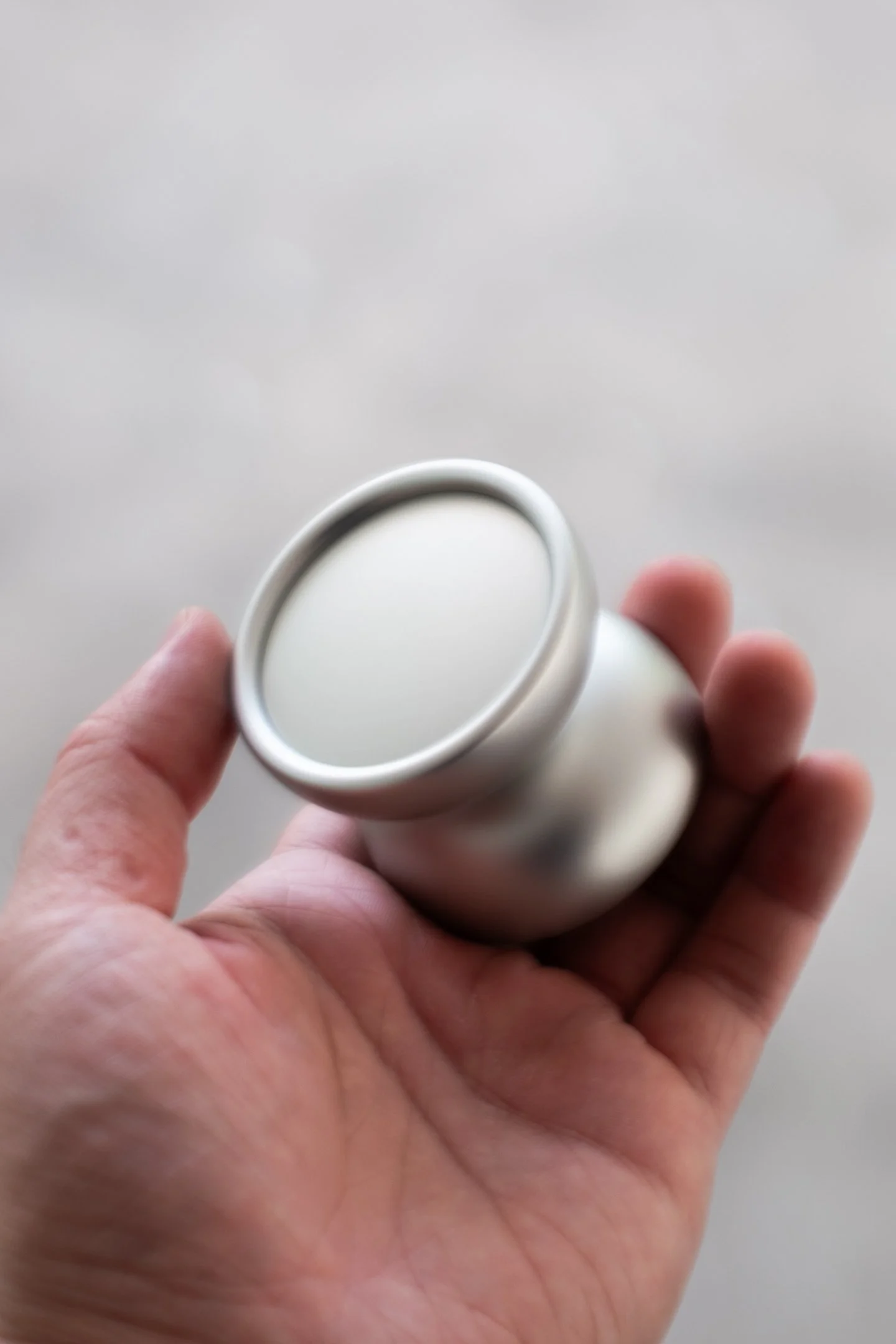
Specifications
Diameter 54.1mm
Width 46.8mm
Weight 67.7g
Material 6061 AL & 6061 al
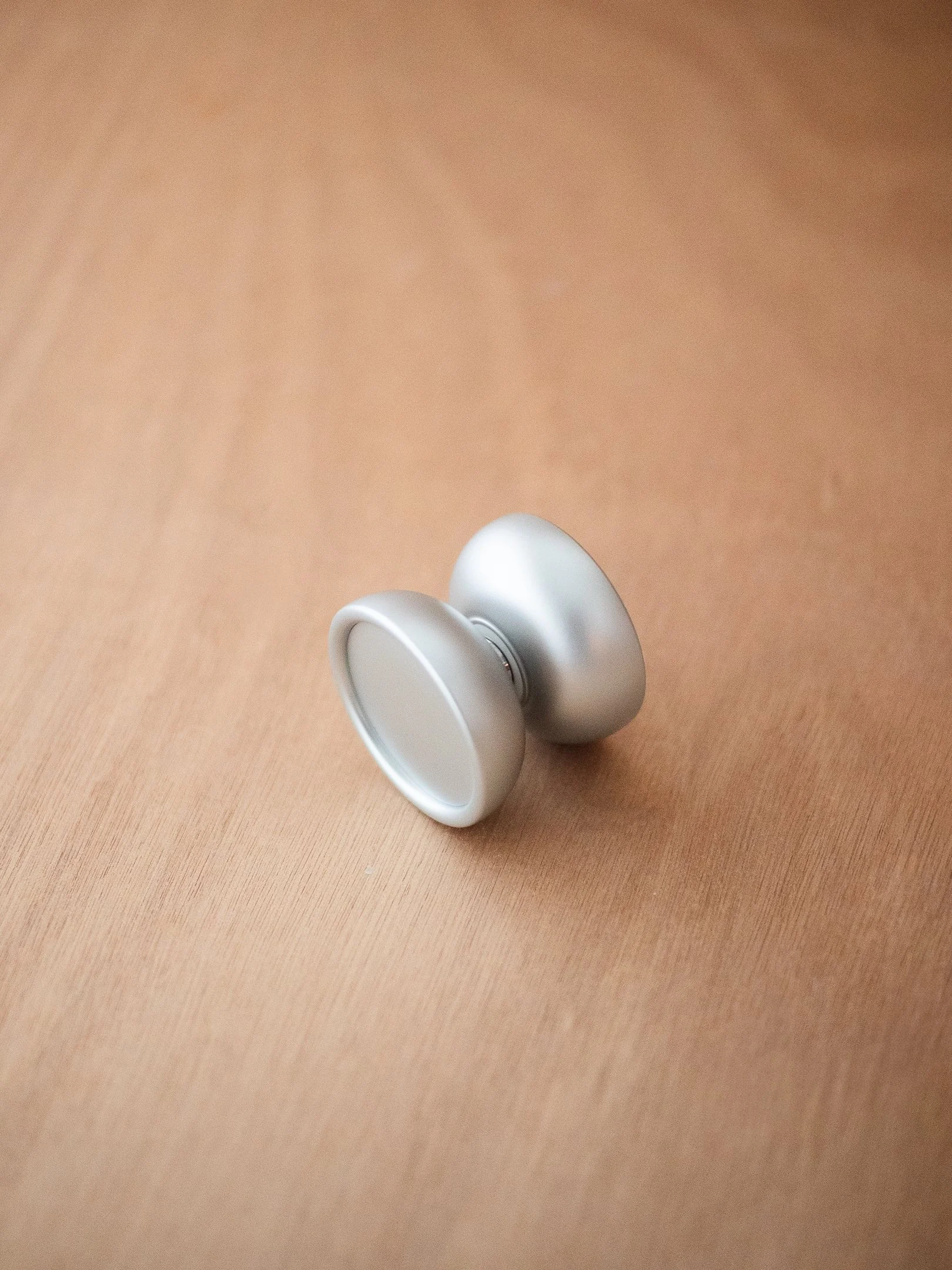
The inception of the Beam design began sometime late last year, and was developed as a sequel to the Butterball. We had just released the Gumball — an oversized, plastic-rimmed organic that married the Butterball with the Pomelo, and drew inspiration from oversized yoyos of the early 2000s. For this particular project, however, we wanted to return to relatively normal specifications, but find new, exciting angles through construction and design.
We’ve put forward capped organics before — such as the Cephas in 2023, and the Cephas ES just last year. Where the Cephas series drew inspiration from flat-capped designs, such as the SPYY Pure, Turning Point Bacchus, Core Co. Diesis and Duncan Freebird 3, we wanted to respond to a type of organic design that hasn’t resurfaced much in recent waves of design.
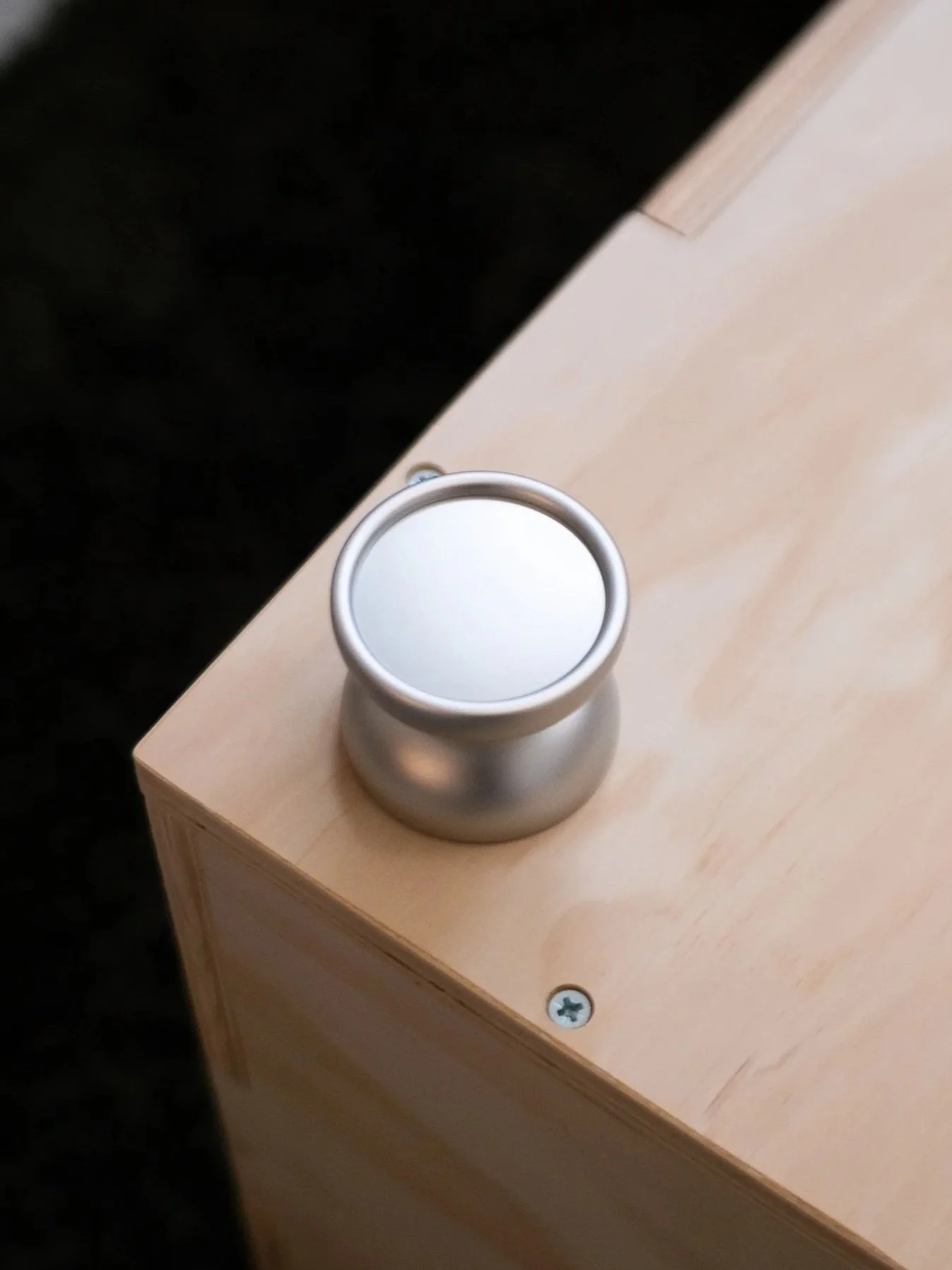
The usual types of organic designs generally fall into these archetypes — the feathery, ultralight organic (A-RT’s Sparrow, our Noma. and Abel), the midweight all-rounder (A-RT’s Grail, One Drop’s MarkMont Classic, Caribou Lodge’s Beater, Project Cosmos’ Dome, and our Butterball), the undersized but substantial organic (YoyoFactory’s 888, Static Co. Sudo, One Drop’s Panaroma, Caribou Lodge’s Ditch), and the oversized, bouncy types (A-RT’s 420, UPDN Orange, our Gumball and Pomelo).
These archetypes are not exhaustive, of course, and these categories break down rather quickly once you get into the nuanced territories of profile and weight distribution.
One organic type that hasn’t made its way back to the design cycle is the form factor that was popularized in the Freehand Zero — an iconic design that Duncan released in 2004 which became a top pick for players across the 1A and 5A fields. It had a rounded, organic profile, with embedded caps that could be popped out and reinserted with some finagling, leading to a myriad of colorway combinations. It had a hollow-body construction, and in a time of plastic yoyos, it was considered powerful, stable, and capable enough for the play of the day — a few years after its release, the Freehand Zero was used by Tyler Severance to win the 5A title at Worlds in 2007.
It completely blew away its predecessor, the Freehand 2, which used paper pogs as caps, as opposed to plastic caps. The plastic caps in the Freehand Zero added stability and overall spin power, and rounded off a hollow-body design that felt very satisfying and substantial in play and in hand.

A quick, interesting note on weight, which we’ll come back to later — Freehand Zeros often weighed close to 67g, despite being a mid-sized, plastic design. They never felt like it — the total mass being shared by body and cap meant the weight was distributed evenly throughout, giving it stability and power without the heaviness or lethargy the number might suggest.
2004 was also when the YoyoJam Lyn Fury was released. It was slightly smaller, wider and lighter than the Freehand Zero, but used a vastly superior C-sized bearing and O-ring response system. It came with removable plastic caps, and on top of performing extremely well (Takeshi Matsuura used the Lyn Fury to capture his first 5A World title in 2008), it also had this satisfying, substantial feel that was shared by the Freehand Zero.

The Freehand Zero and Lyn Fury are certainly dated by modern standards, but both were cornerstones of their time, and established the blueprint for many designs that came after. Our design approach is often inspired by the past, and seeks to honor the existing body of design work through recognition and reinterpretation. The idea with the Beam was to recapture those feelings that came with both the Freehand Zero and Lyn Fury — these absurdly comfortable, fun, yet incredibly capable organic designs that felt just right in the hand.
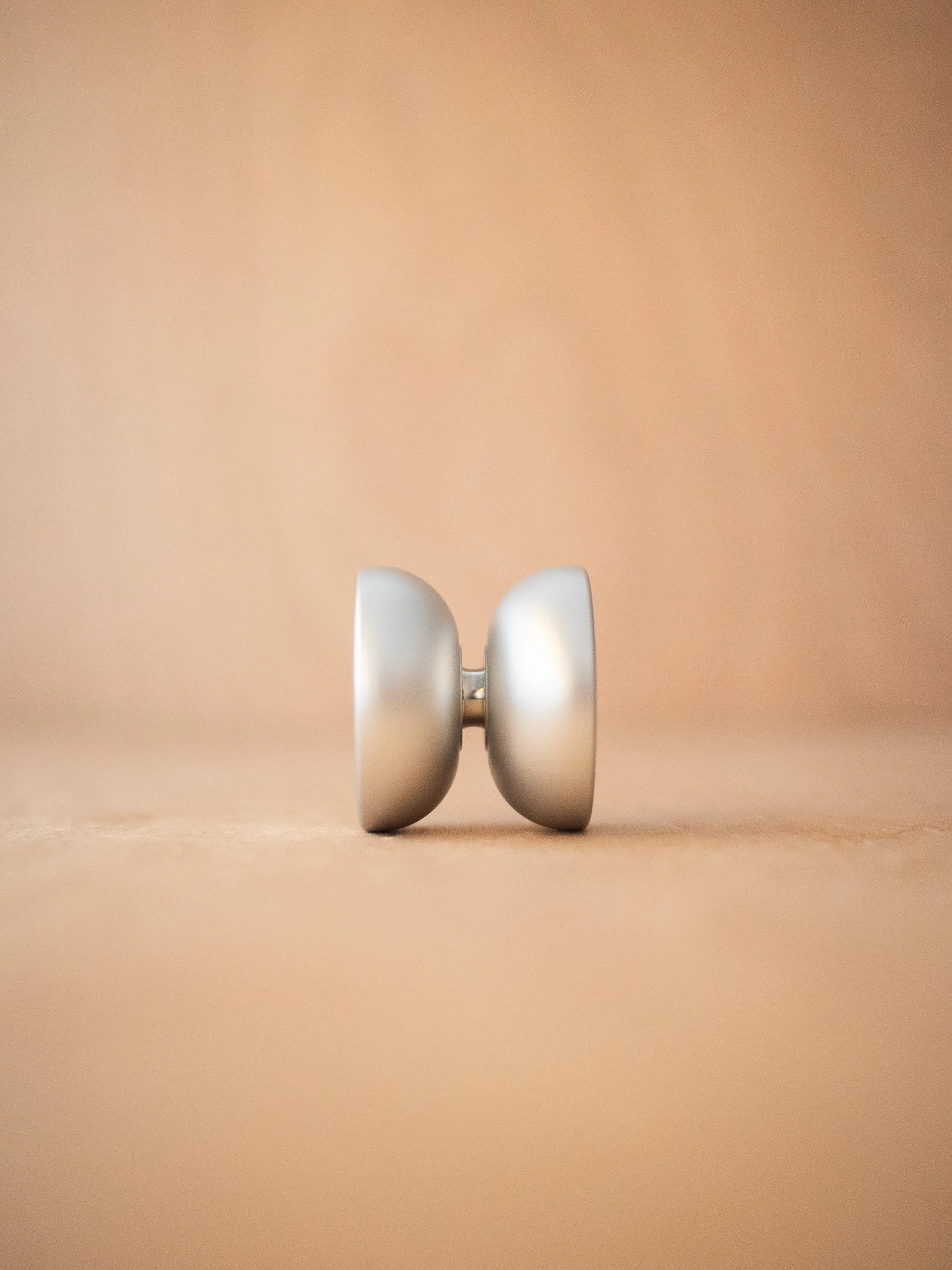
The Beam uses the exact outer silhouette of the Butterball, our most comfortable organic, and implements a cap construction that turns its weight distribution and playfeel on its head. The cap — machined out of 6061 aluminum — is very slightly convex, which pays homage to the subtle roundedness of the Freehand Zero cap. The cap sits snugly on a seat that has been precisely designed for a tight fit and smoothness in play.
But the primary adjustment has been in the area of rim weight. The Beam isn’t just a Butterball with a cap slapped on; the entire mid-to-rim weight area was overhauled to give the Beam the necessary stability and oomph, turning the lightweight, floaty Butterball frame into something with a lot more juice.
All of this is, of course, hidden from view behind the cap. What you have on the surface is a clean, minimal and rounded design.
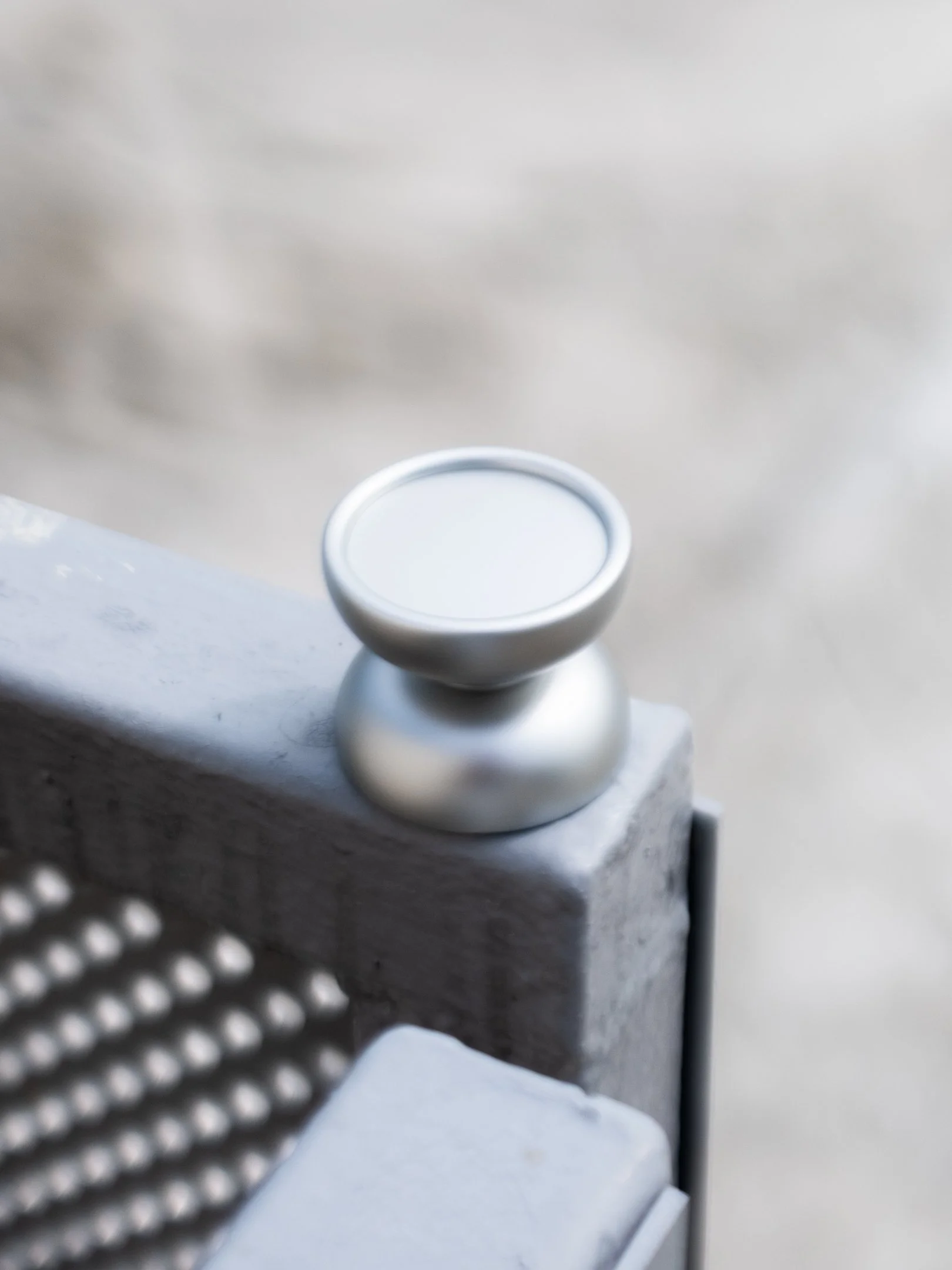
The Beam weighs in at 67.7g — within a gram of the Freehand Zero.
This is the portion of the Design Note where we assure you it doesn’t feel at all like the number suggests, and that there is a real, genuine gap between the Beam’s on-paper numbers and the way it actually feels in play. The Kyoto, Polyberry and Big Smoke all come close to the 70g mark, and none of them feel heavy, sluggish or clumsy on the string.
The same goes for the Beam, which, like the Freehand Zero, distributes its mass evenly across both cap and body, producing a stable, fluid, and natural-feeling playfeel.
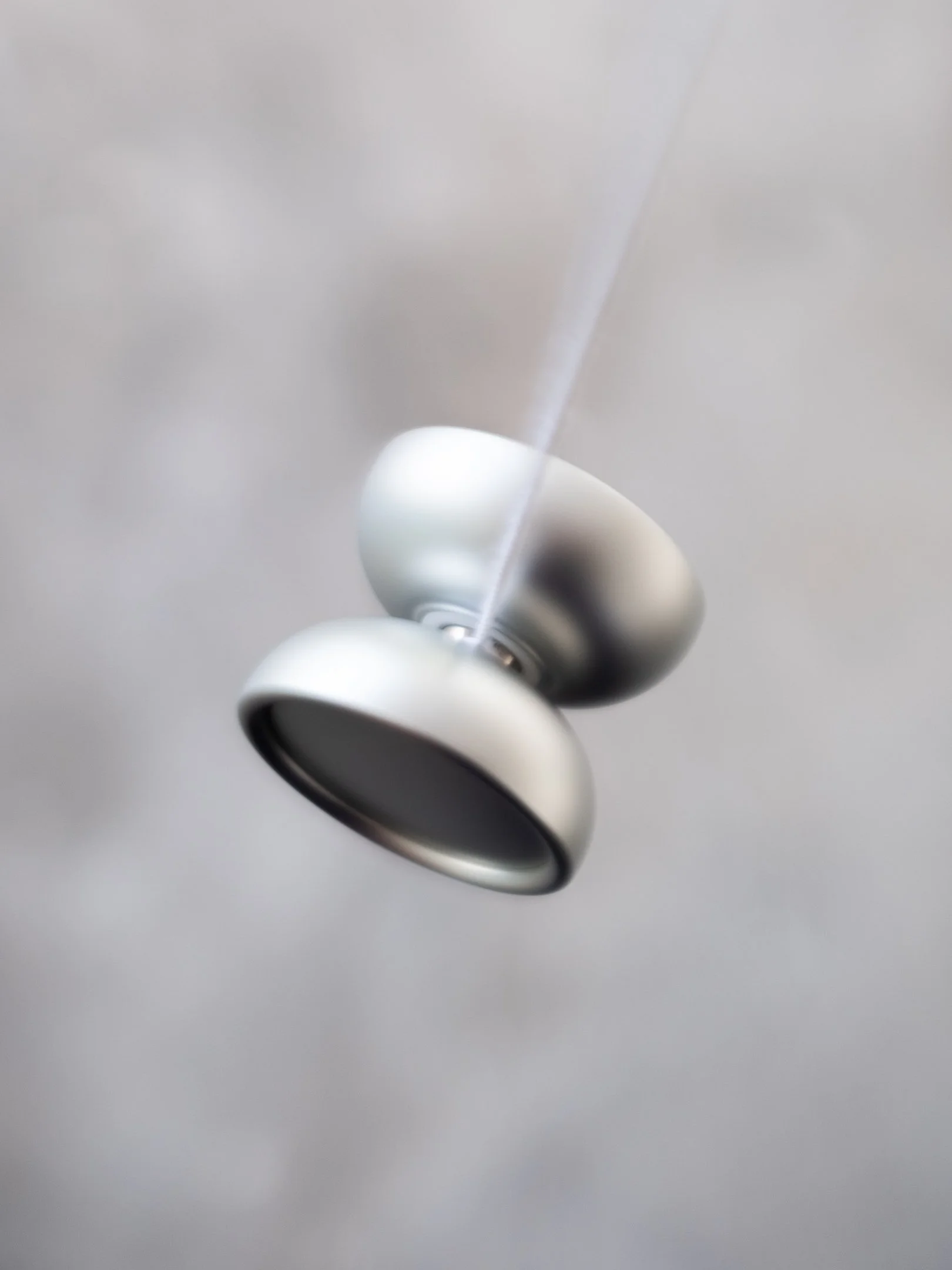
The Beam has real juice, and it’s incredibly fluid and smooth. It’s got remarkable low-RPM performance, handles great on redirects, and feels right for any mood. The weight feels natural in play, and you never have to work to get it up to speed. In hand, it’s minimal, compact and soft. It borrows from the Butterball’s refined ergonomics — if you enjoyed how the Butterball sat in the hand, you’ll feel right at home here.
The Beam was designed to pay homage to the era of yoyo design we grew up with — to bring some of that old-school goodness back to the present day.
Parts & Equipment
Ball Bearing Type II Concave Bearing by Atmos
Response Pads Stratos Pads by Atmos
String CloudWeave Micro by Atmos