
Preview blurb
Optional — edit the paragraph below; leave it empty to use the article introduction.
The second signature model for Coleman Weimer under our Monogram Line, the Big Smoke is a jumbo plastic organic that emphasises a flow and feel-based style of play. Its design philosophy follows Coleman’s first signature in the Smoke, but this really stretches physical boundaries in pursuit of that feeling.
Projects / Design Notes
Big Smoke
October 2026
Say hello to the Big Smoke.
The second signature model for Coleman Weimer under our Monogram Line, the Big Smoke is a jumbo plastic organic that emphasises a flow and feel-based style of play. Its design philosophy follows Coleman’s first signature in the Smoke, but this really stretches physical boundaries in pursuit of that feeling.
Safe to say this doesn’t feel like anything we’ve made before.

Specifications
Diameter 61.7mm
Width 57.1mm
Weight 70.9g
Material Polycarbonate

Coleman’s first signature model, the Smoke, is one of the most unique designs that sit in the Atmos Projects lineup. Externally, it looks simple — its facade is intentionally minimal, and is in-line with Coleman’s elegant approach to play and aesthetics, but as a design it aims towards something quite difficult to capture — “a free-flow, feeling-based style of play”. To capture a specific playfeel, or to have a round object balanced in such a way it nudges a user towards a type of movement or feel is a complicated, delicate thing — but we felt like we managed to do that successfully with the original Smoke.
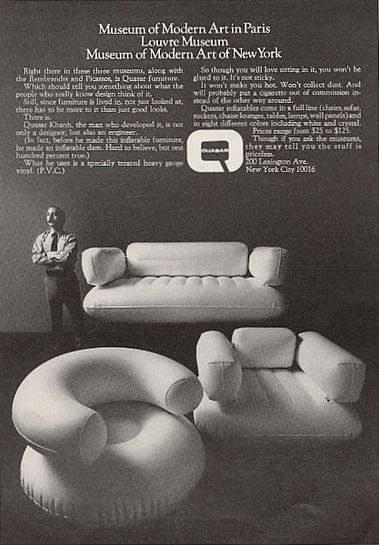
The Big Smoke, the original’s sequel, was birthed out of a conversation surrounding Coleman’s artistic inspirations. Whereas Smoke was inspired by poetry by William Stafford, the Big Smoke emerged from a specific aesthetic — the Space Age design wave, where plastics were treated as a material of optimism, rather than a cheap substitute. Coleman sent me this print ad for inflatable furniture by Quasar Khanh, a Vietnamese-French designer whose work reflected a futuristic, liberating ethos.
The large, inflatable couch that Khanh designed had soft, friendly geometry, and used inflation to determine its form. The inflatable-and-puffy aesthetic was more than just about the way it looked — it was also rebellion against the the notion of permanence in the use of more “industrial” materials, which generally were materials of choice for heavy, heirloom-like furniture pieces of the time.
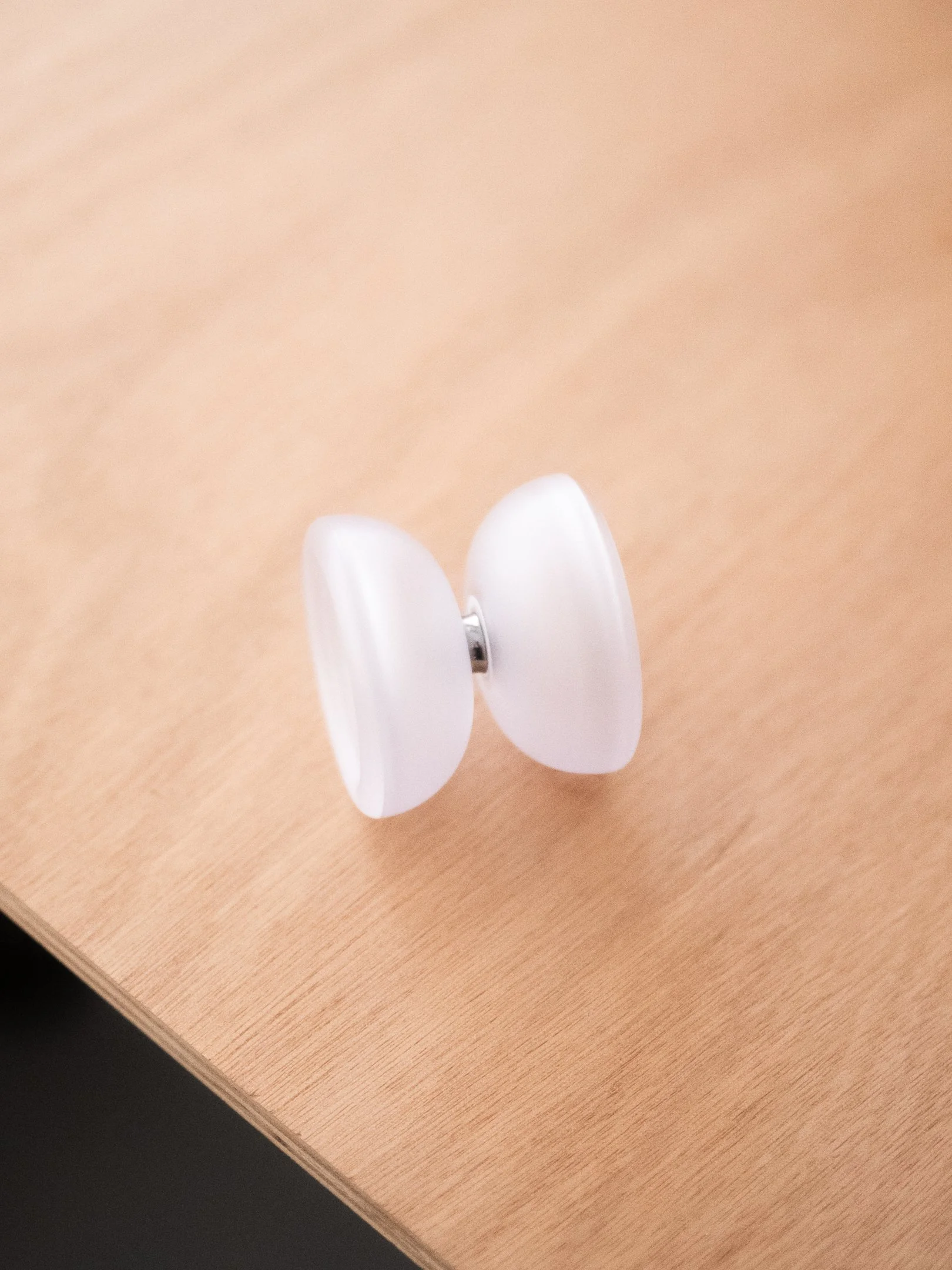
“Juicy, inflated, light in the hand and zippy on the string,” one of Coleman’s messages read in that conversation. “Like someone plugged a bike pump in and pumped up the Smoke.”
Inspired by Khanh’s inflatable furniture design, the idea was to create something that gave the sense of balloon-like inflation. This guided our early CAD sessions. This already meant a larger diameter and width — this specification was welcome, given that plastics tend to benefit from a bigger profile.
Simultaneously, we were conscious that jumbo-sized, plastic yoyo tend to lend to a certain playfeel — overtly light and airy, a little bit like how offstring yoyos can feel and play. We wanted it light and zippy in play, but not sparse or thin — it had to have substance that was commensurate to its size and shape.

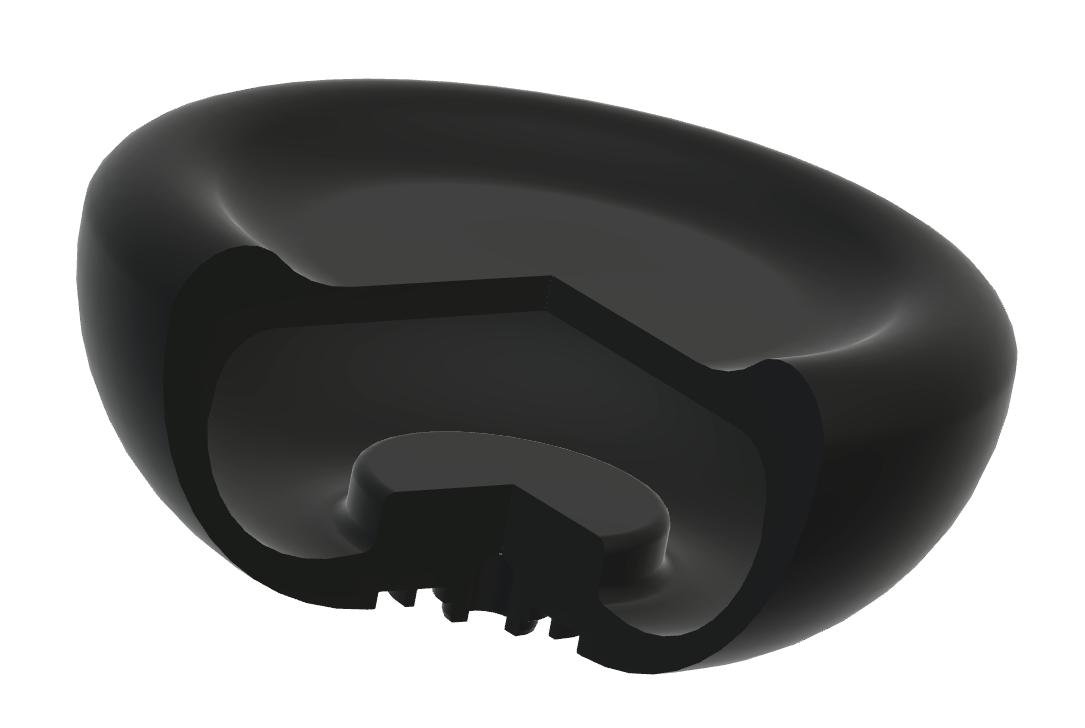
To create the inflated, puffy effect, and also to solve the issue of needing a solid, substantial playfeel, we added a fat, curved lip that dipped into a flat plateau in the cap design, as opposed to going entirely flat in the style of the Cephas and Smoke. This created a very pillowy, and marshmallowey feel to its physical profile, and simultaneously added a degree of rigidity to the cap construction. The hope was that it would serve a direct aesthetic purpose, while adding to the specific playfeel we were aiming for — a big, fat, jolly iteration of the original Smoke.
We made a set of prototypes out of machined polycarbonate — a material we’ve come to really have affection for over the years for its flexibility and practicality in design. We decided against using Delrin for this design, given its rigidity and density characteristics on a larger frame. Polycarbonate sat in the Goldilocks zone of being rigid and relatively light, which would allow us to go big without too much complication.
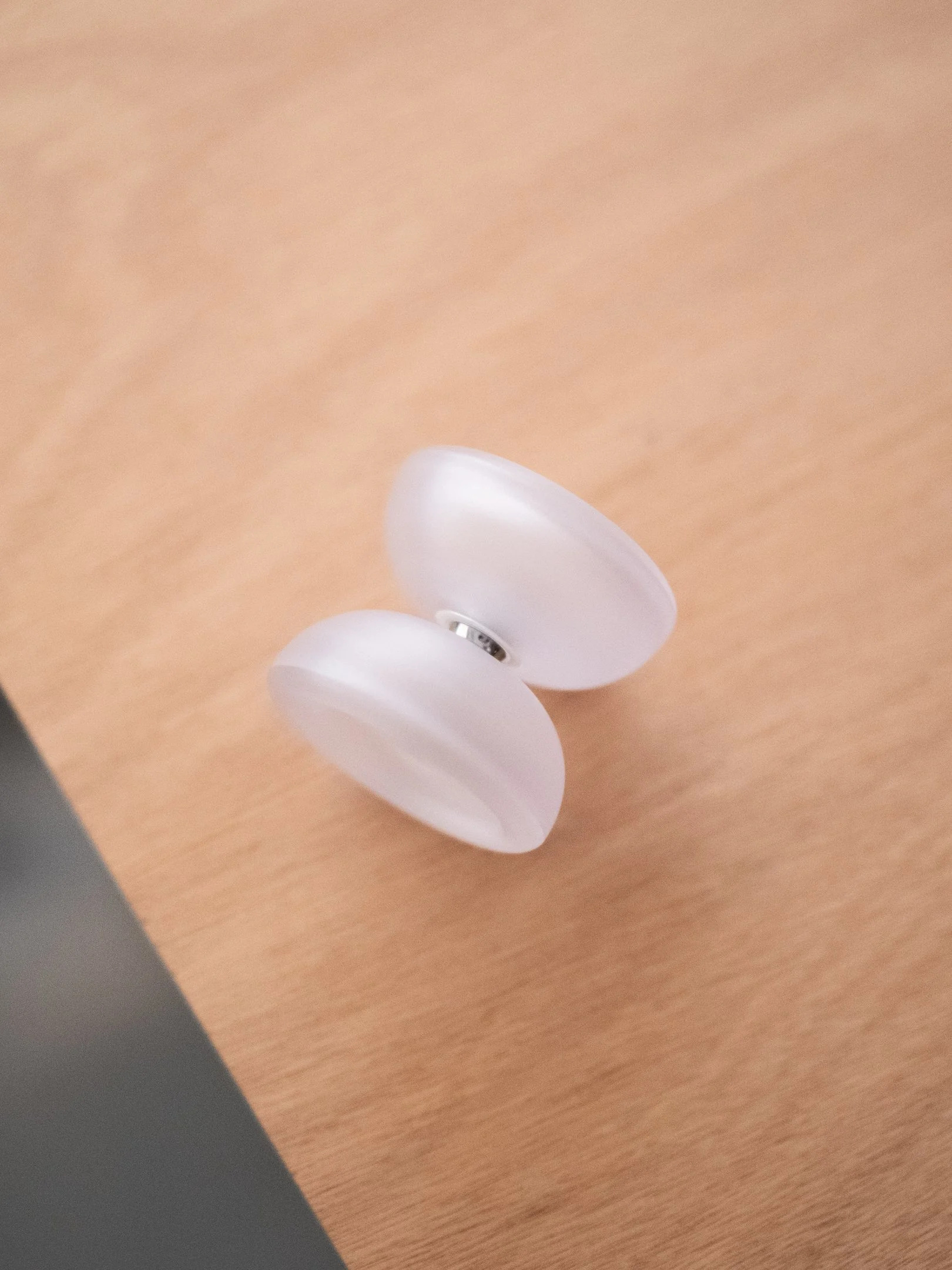
As soon as prototypes were ready, we sent them to Coleman, with great anticipation for his feedback.
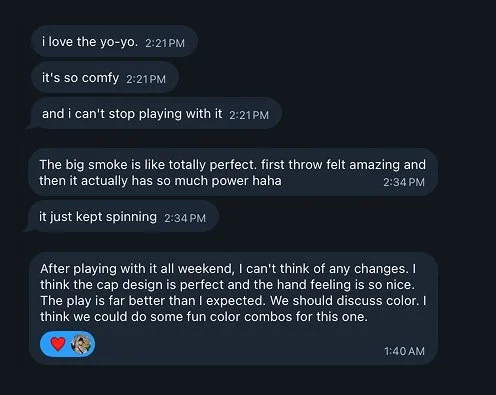
Hearing this was all we needed to hear.

Machined polycarbonate has this frosted, matte look. This natural texture allowed us to tap into another of Coleman’s inspirations — the grading palette of World On A Wire, a German film from the 1970s.
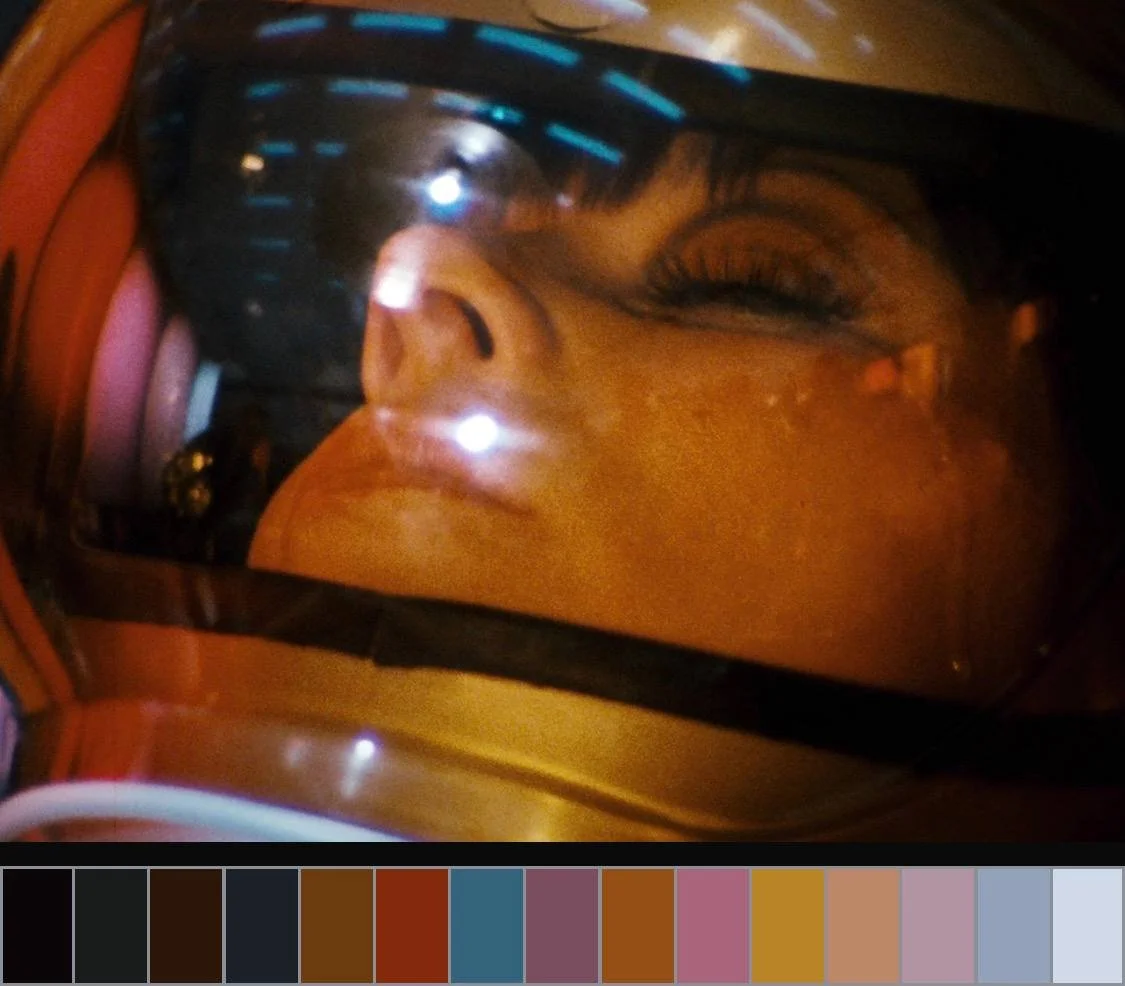
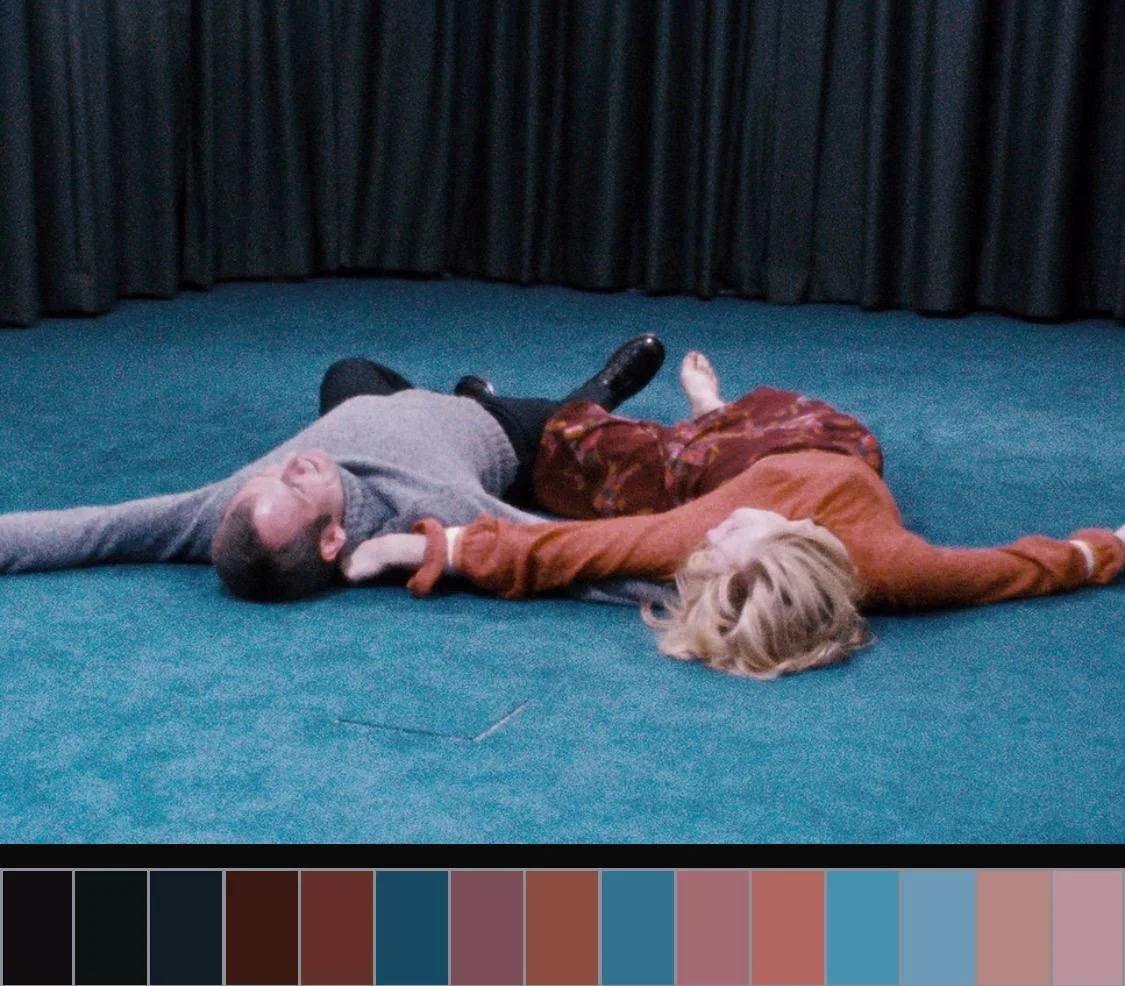
The heavily stylized colors included feverish pinks, warm oranges, cyans, and purple tones — very bold, retro-futuristic colors that we were excited to try replicate in through dyeing processes.
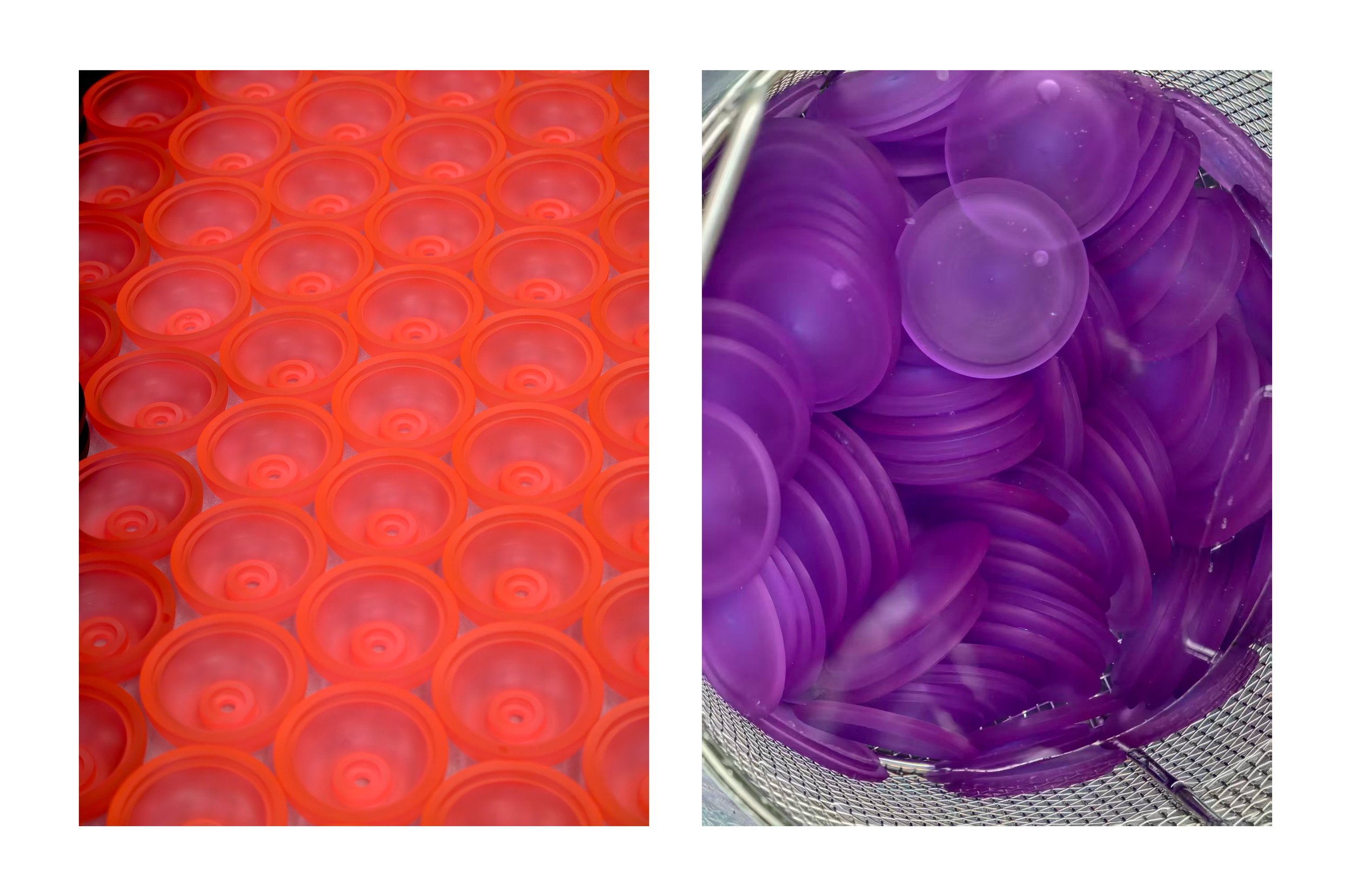
Hand-dyeing plastic is a process that is incredibly manual and human. It involves mixing dye to the right proportions and is incredibly sensitive to timing, temperature and technique. Each piece is dipped and dried manually by hand, and the practitioner’s control over this process determines shade, hue and vibrancy of a specific color.
We learnt how difficult this was in the first few days — we accidentally corroded a batch of halves during the color trial process, and it took multiple rounds to really nail the tones we wanted.
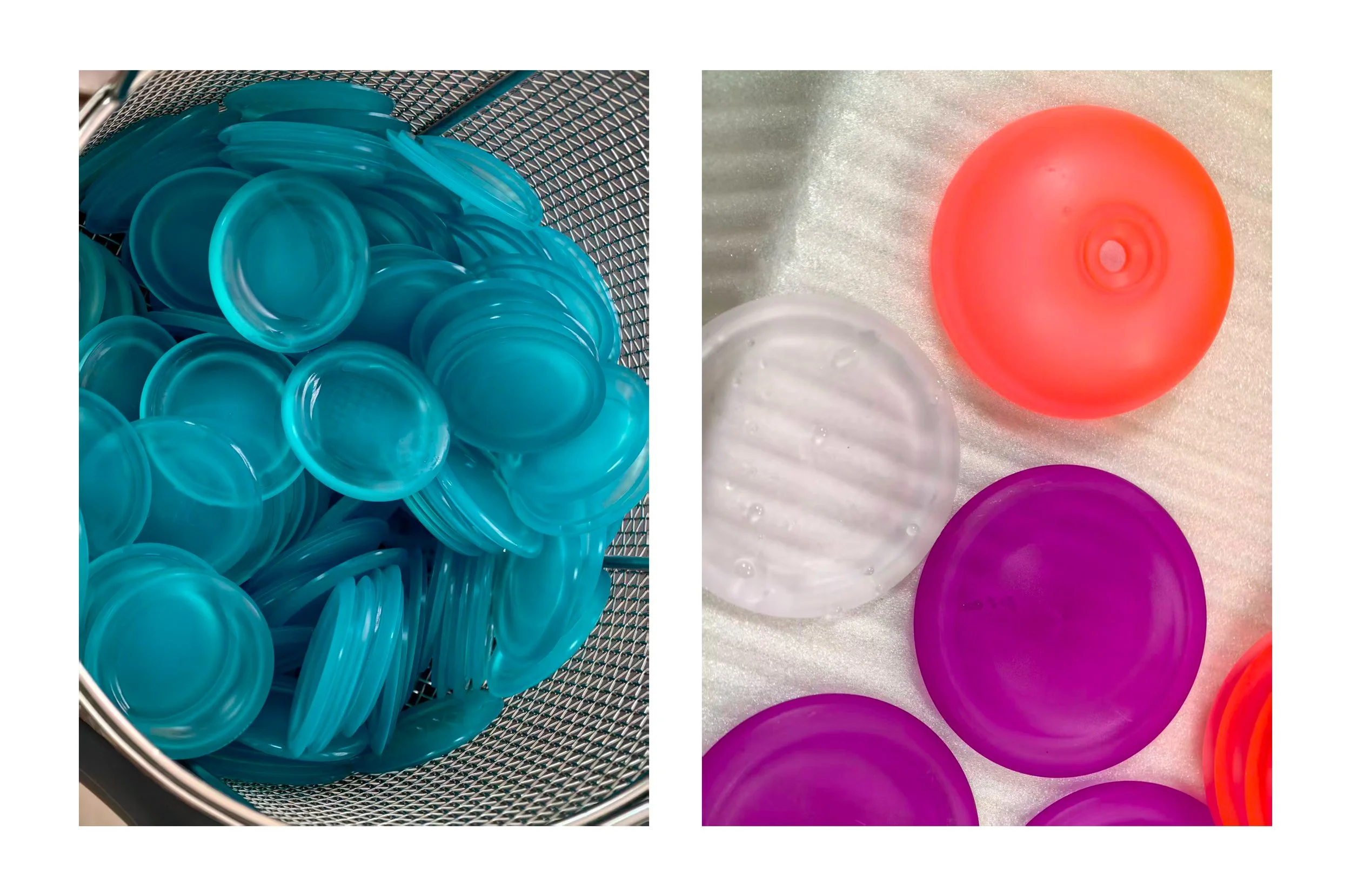
Eventually, we achieved colors that matched Coleman’s vision — retro-futuristic hues of purple, pink, blue and orange. We have a monochromatic palette of colorways that pay homage to the original batch of Smokes, but these colors have gotten us really, really excited.
We’ll reveal the full slate of colorways in the coming days. You’ll want to stay tuned for them — these turned out beautiful.

The Big Smoke feels like a genuine sequel to the original in the sense that it shares the same penchant for pacing, flow and feel. It doesn’t rush, and takes its time. At the same time, there’s a genuine confidence in the way it plays — it’s incredible stable for any yoyo, not just for a plastic, and it has a lot more power than you’d imagine.
Unlike our other organics, it feels a lot less like a cloud on a string — it feels like playing an actual balloon, engineered out of plastic.

Parts & Equipment
Ball Bearing Type I Concave Bearing by Atmos
Response Pads Stratos Pads by Atmos
String CloudWeave Micro by Atmos